Why choose Speedymason over metal lath
Speedymason over metal lath and a scratch coat.
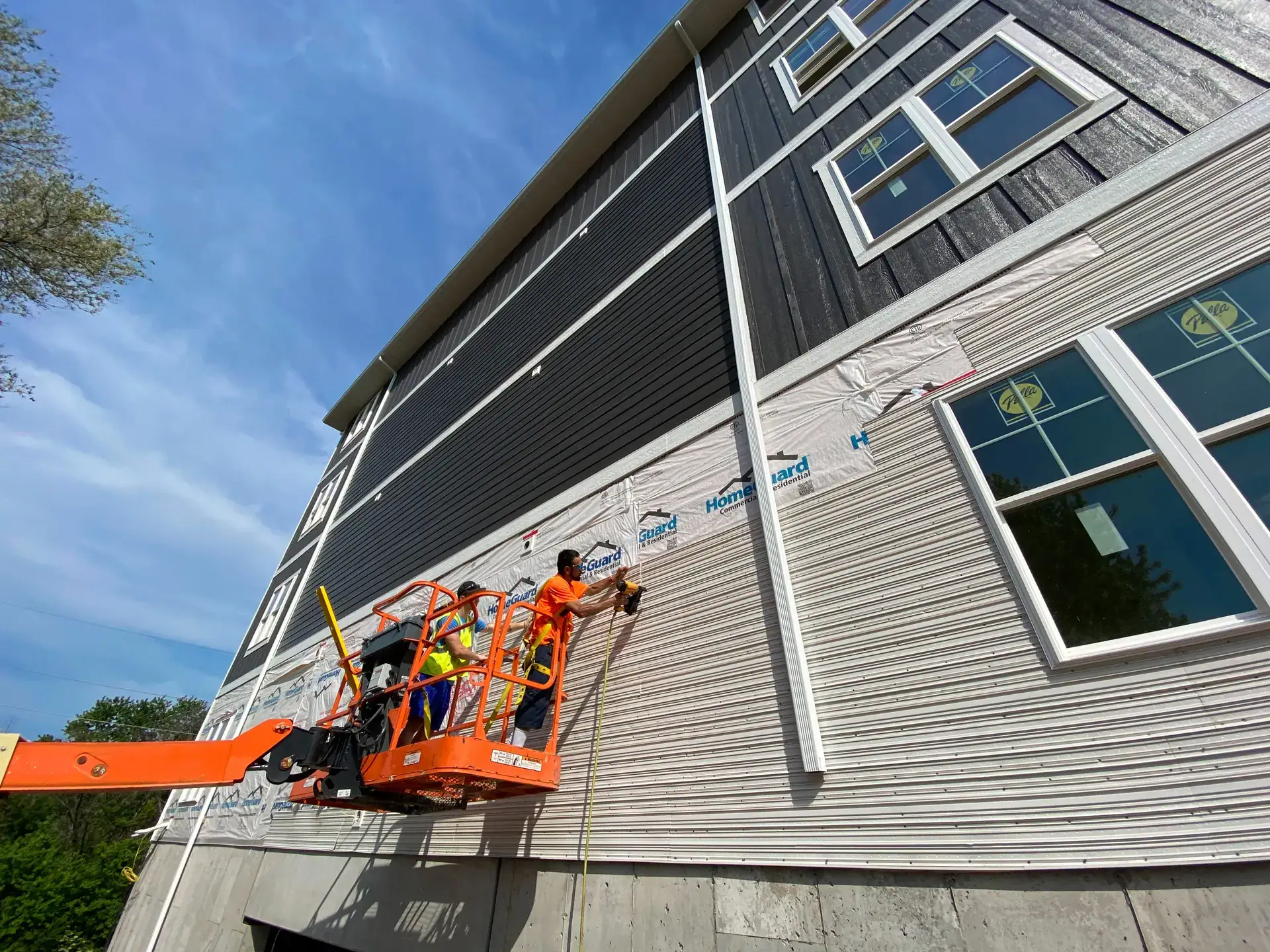
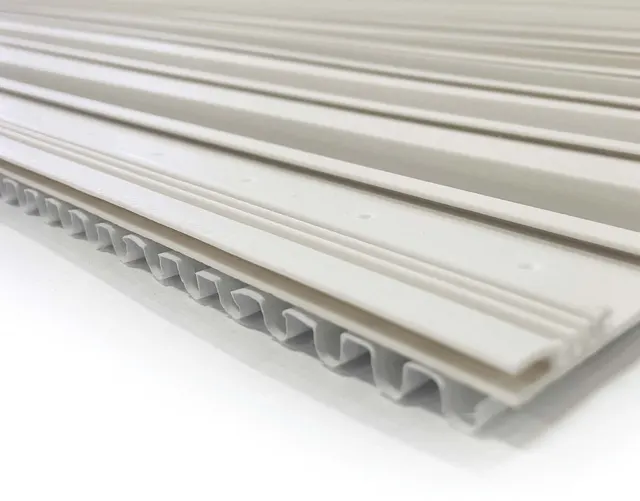
Metal lath needs a scratch coat, a day to cure and snapped lines for every course. Speedymason is a composite panel with the guide legs molded in: fasten it, trowel mortar over the legs and start setting brick the same hour, with the coursing already on the wall.
On the wall
What changes on the wall.
Point by point, what a crew gives up by staying with metal lath, in the order it comes up on a job.
-
 01
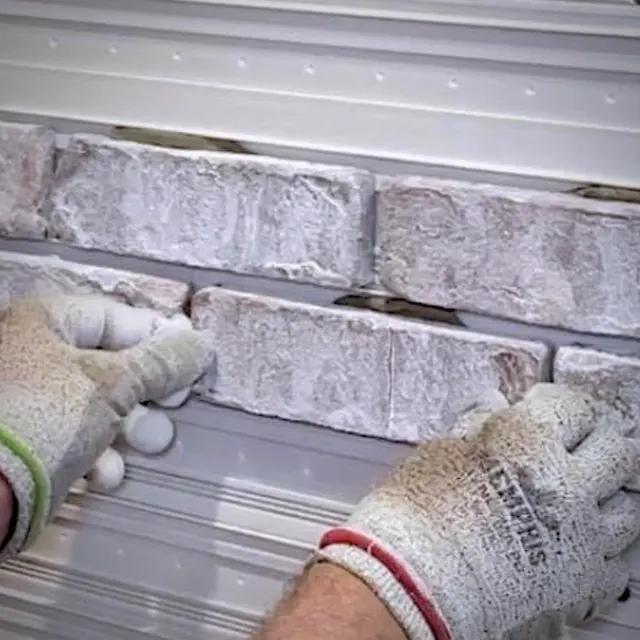
Safe and easy to handle
The lath is polypropylene, lighter than metal lath, with soft edges instead of the sharp ones that cut hands and sleeves.
-
 02
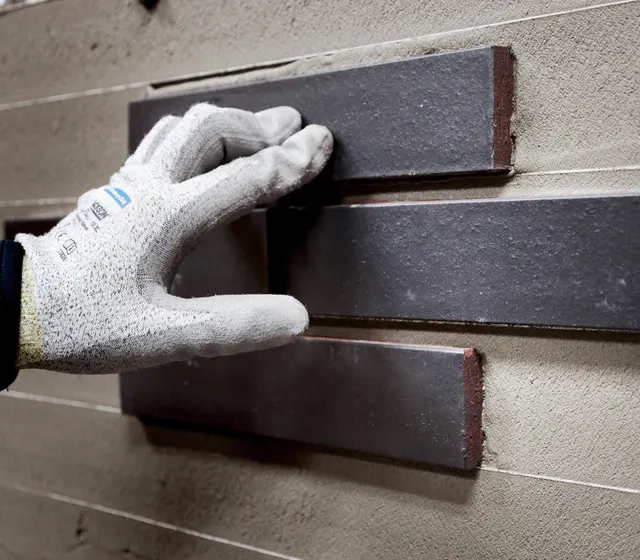
Guide legs course the brick or block
Preset guide legs lock in the bed joint and keep every course level. No snapping lines, no sagging brick.
-
 03
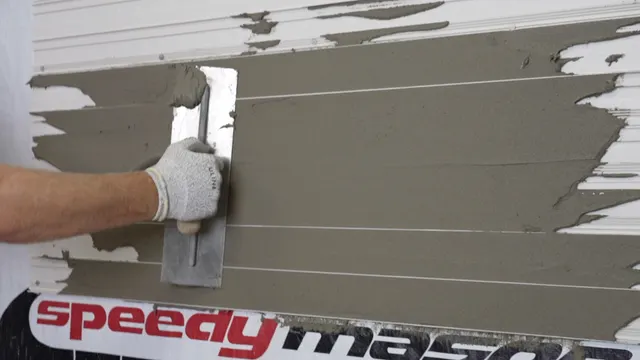
The right thin set depth every time
The guide legs meter the polymer-modified thin set behind every thin brick, so each one gets full coverage and a locked-in bond that keeps it on the wall.
-
 04
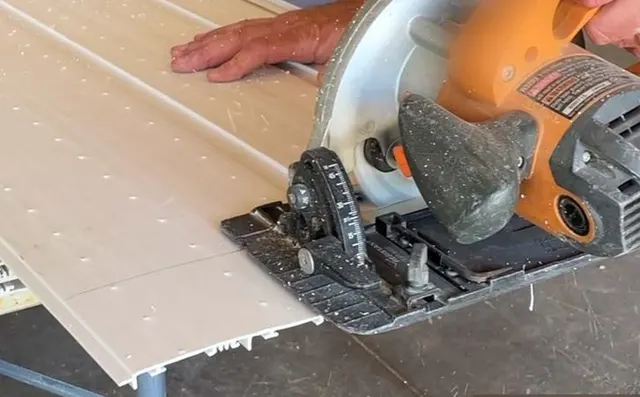
No tin snips or grinding
Speedymason cuts clean with a circular saw and a utility knife. No tin snips, no sparks, no hot metal.
-
 05
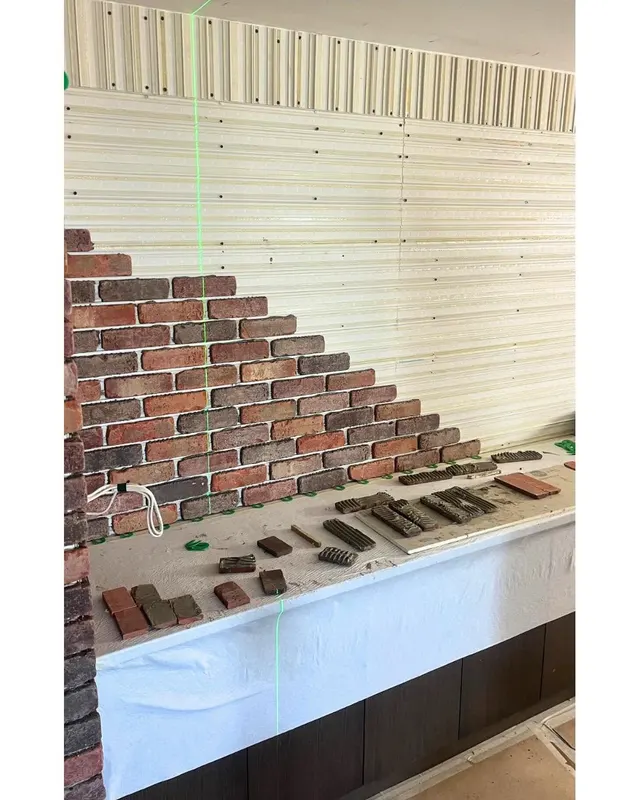
No waiting on the scratch coat, no resetting scaffolding
Speedymason still takes a scratch coat. It does not have to cure before the brick or stone goes on, so crews scratch and set in the same pass and build the scaffold once as they move up the wall.
-
 06
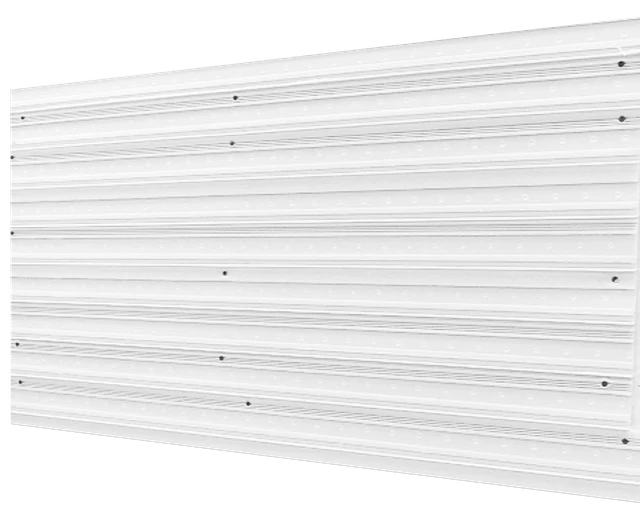
Will not corrode
Nothing in the panel is metal, so nothing in it rusts, inside a wall or out.
-
 07
Drainage built in
Every panel has drainage dimples on the back, and a factory-applied rainscreen is available for projects that call for one.
Crews lay thin brick the moment the panels are up, with the coursing preset. Speedymason puts the result at about half the labor time and half the adhesive cost of metal lath, and about 30 percent off the whole project. Those are Speedymason’s own field figures.
Side by side
Speedymason and metal lath, where they differ.
From Speedymason's own comparison chart. Rows the two systems share are left out.
| On the wall | Speedymason | Metal lath |
|---|---|---|
| No scaffolding to reset | Yes | No |
| No snapping lines or setting leads | Yes | No |
| Thin brick supports built in | Yes | No |
| Will not corrode | Yes | No |
| Tongue and groove panels | Yes | No |
| Drainage built in | Yes | No |
| Cuts with a circular saw and utility knife | Yes | No |
| 50-year panel warranty* | Yes | No |
- * 50-year panel warranty: Speedymason’s warranty on its own panel; see the testing and warranty page for its terms.
A circular saw, not tin snips. Thin set over the guide legs, and the brick goes on the same day. The leg sets the course.
“Contractors consistently praise Speedymason for its simplicity, minimal learning curve, and major labor-time savings.”
The biggest saving is time
The wall goes up sooner, and everything behind it moves up with it.
Price per square foot is where the conversation starts. Hours on the wall are where the money is, for the mason who sets it and for everyone waiting on it.
For the mason
20 to 30%
more work a year with the same crew
Nothing waits on a scratch coat to cure, and there are no lines to snap. The coursing is molded into the panel, so brick goes on the hour the panel is up. A job that takes fewer hours leaves room for the next one, on the same payroll, and the extra jobs are where the profit is.
Speedymason's own field figure. The calculator's benchmark run lands at about 34% more jobs a year against full brick and about 134% against metal lath, with the rest of each job counted at full length.
For owners, architects and general contractors
1 truck
of thin brick covers what takes five or six truckloads of full brick
The schedule compresses. A wall that finishes in fewer working days hands the site to the next trade sooner, and the scaffold is set once. Less lands on the site too: fewer deliveries, less to stage and lift, and no brick ledge or lintels to build first.
Industry figures from Speedymason's AIA course: a truckload of thin brick covers about 9,572 square feet, a truckload of face brick about 1,637.
Put your own job in hours and days Labor hours first, then cost, all six systems side by side.
Run your own job through the calculator.
Your square footage, your labor rate and your prices. Speedymason, Ultra-Speed, metal lath and the rest, side by side, with labor hours.
Also
The other comparisons.
Next step
Put it on your next wall.
Tell us the wall, the brick and the schedule. We will name the nearest distributor and the right panel.